


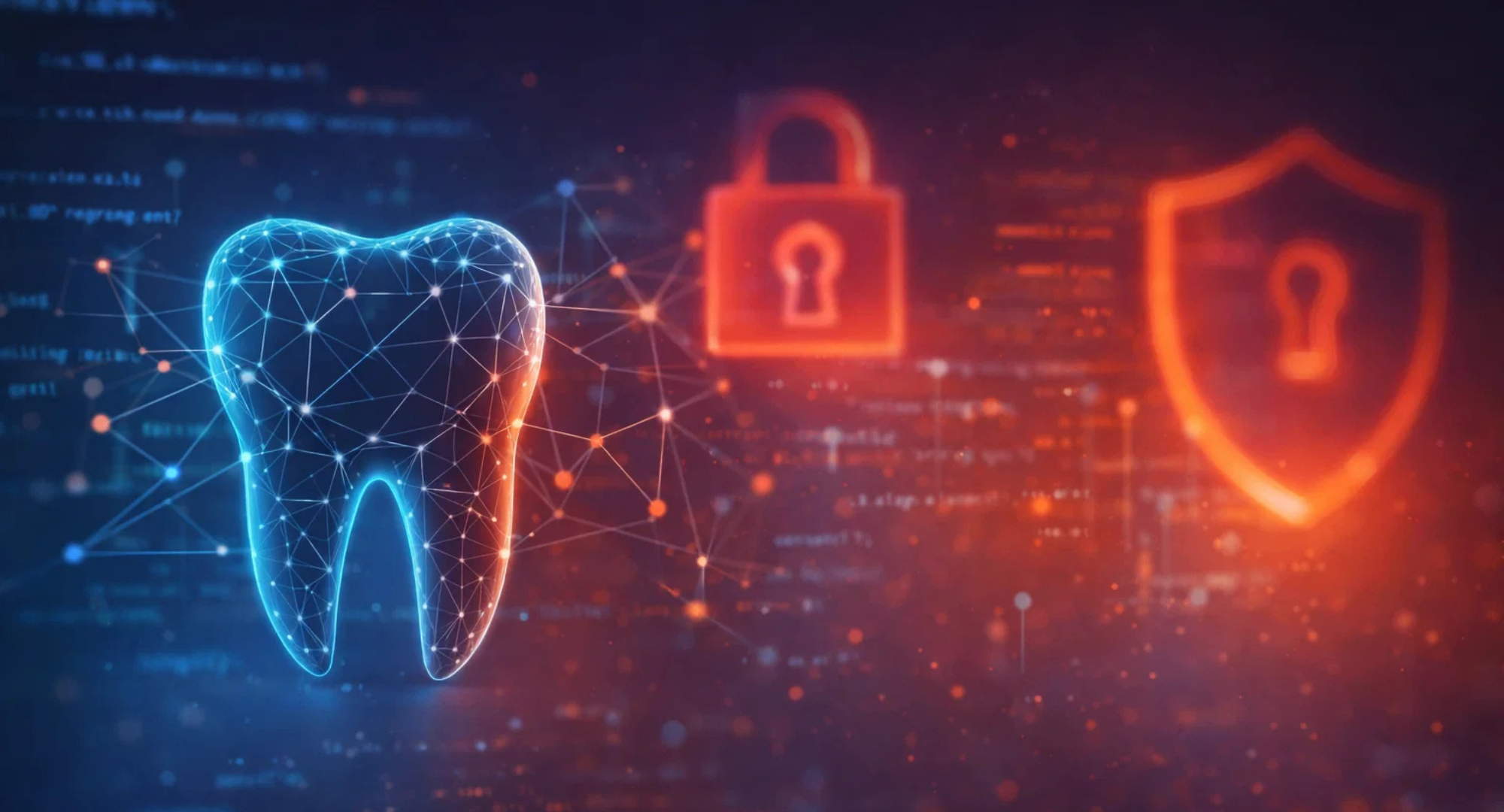
Why Cybercriminals Target Dental Records and How to Protect Them

Patient information is one of the most valuable targets for cybercriminals, and dental practices are increasingly at risk. According to industry cybersecurity reports, healthcare remains one of the most targeted sectors for cyberattacks due to the high value of protected health information (PHI).
Medical records contain highly sensitive personal, medical, and financial data, making them far more valuable than stolen credit card numbers on illicit marketplaces.
In the case of dental practices, safeguarding the information of patients is not merely a good practice, but it is a legal requirement under HIPAA and essential for maintaining patient trust. In this article, you will learn why dental records are getting more and more targeted by criminals and how to protect your dental office by means of a solid IT management system. You will also find the best cybersecurity service solutions.
Why is the Dental Practice a Target of Hackers?
Medical and dental records are highly confidential, with such information as Social Security numbers, birth dates, medical diagnoses, clinical notes, billing information, and contacts. This information is an asset that lasts for years and is more difficult to replace once lost, unlike a stolen credit card number that can be cancelled within a few days.
Dental practices may have limited IT resources, old systems, and a lack of cybersecurity skills, which are the factors contributing to their being an easier target than bigger healthcare organizations. These vulnerabilities are used by attackers to have long-term access to networks and steal information before it is noticed.
Real-World Threats Facing Dental Offices
Cyber-threats targeting dental practices include:
Phishing & Email Attacks: Phishing is an attack that is one of the most successful. Hackers send fraudulent emails to lure employees to disclose their credentials or install malware software, which provides hackers with preliminary access to organizational networks.
Once in the system, ransomware has the power to encrypt important files and lock access to critical systems – putting business in a standstill and compelling practices to pay up to get it restored. Large healthcare breaches have already demonstrated how severe the damage from ransomware can be.
Identity Theft & Data Theft: Patient records may be sold in the black markets or employed directly to commit identity theft, insurance fraud or any other evil activities.
When your systems are not secured using modern cybersecurity tools, there is a risk that your practice might be in jeopardy.
Role of Proactive Monitoring & Cybersecurity

Dental Cybersecurity services have put continuous network monitoring, advanced firewall protection systems, endpoint security systems, and threat detection systems, whereby finding suspicious activity is made before it can interfere with the operations. Minor vulnerabilities are detected at the beginning of the process, and they are not transformed into major breaches.
HIPAA-Compliant IT Infrastructure:
Adherence is not a choice in the field of dentistry. The IT environments designed and managed by HIPAA-compliant IT services comply with the HIPAA requirement of safeguarding the security of the IT system, such as access controls, encrypted communications, secure cloud environments, and documented risk assessments. This will help to keep dental practices accountable, besides safeguarding sensitive patient records.
Backup and Disaster Recovery of Data are Secure:
Data loss can disrupt patient care and daily operations. Managed IT support for dentists offers disaster recovery-tested, encrypted, and automated backup services. Your practice allows restoring operations within a short time frame and reducing the amount of downtime in the case of ransomware or system failure.
Managed Dental Support IT.
Dental software, imaging systems, digital x-rays, VoIP communications and practice management systems are fields that need specialized expertise. IT services managed by Dental cybersecurity service companies enable these systems to operate effectively and safely, minimize technical interruptions that affect patient experience.
Cybersecurity Awareness amongst the employees.
One of the most frequent points of operation of cyberattacks is represented by human error. Dental cybersecurity solutions assist the practices with security awareness training and access control policies that minimize the risks of phishing and unauthorized access to the system.
Growing Practice Scalable IT.
Dental IT security offers scalable IT infrastructure planning and secure network deployment, whether opening a new location or establishing locations in different cities. Practices will have the opportunity to develop without compromising the security standards.
Legend Networking and Telecom offers the following services to the dental professionals in the U.S., both startups and multi-location DSOs. Their services have been managed to make sure that your technology is facilitating patient care and compliance, but not compromising.
Why Dental Practices Need Specialized Cybersecurity Services
Patient data is not just another file; it is the subject of federal laws and is the one that requires utmost protection. Laggard dental practices risk with cybersecurity:
- HIPAA regulatory fines for data breaches.
- Patient trust and reputation loss.
- Loss of money on ransom or fraud.
- Patient-related operational downtime.
Granting dentists a sense of freedom to concentrate on care instead of cyber protection, reliable IT partners assist practices in putting the right protective measures in place and minimizing these risks to the lowest levels.
How Legend Networking & Telecom Protects Dental Practices

The dental practices do not need general IT support but custom cybersecurity solutions that are designed on the basis of compliance with healthcare, continuity of operations, and safeguarding patient data. It is in that regard that Legend Networking & Telecom provides value that can be measured.
Active Surveillance of Cybersecurity.
Legend has enforced a continuous network surveillance, superior firewall safeguarding, endpoint protection, and threat detection software to report suspicious activities before they interfere with business operations. The timely identification of any vulnerability will ensure that a small vulnerability does not evolve to become a significant breach..
HIPAA-Compliant Information Technology (IT).
In dentistry, there is no choice of compliance. Legend develops and maintains an IT infrastructure that meets the HIPAA security standards, such as access privileges, encrypted networks, secure clouds, and risk analysis documentation. This will keep the dental practices compliant and secure sensitive patient records.
Secure Data Backup/Disaster Recovery.
Patient treatment can be terminated due to data loss. Legend offers automated backup services that are encrypted and disaster recovery strategies have been tested. Your practice can recover fast in the case of a ransomware attack or system downtime, and reduce the loss of time.
Dental-friendly managed IT support.
Dental software, digital x-rays, imaging systems, and practice management platforms need special skills. The IT services that Legend manages have these systems with a high degree of security and efficiency, minimising the occurrence of technical disruptions that affect patient experience.
The Awareness of Cybersecurity among the Employees.
Human error still ranks as one of the most common vulnerability points of a cyberattack. Legend assists practices in creating security awareness training and access control policies that minimise the risk of phishing and unauthorised access to the system.
Scalable IT Scalability, Growing Practices.
Legend offers scalable IT infrastructure planning and security network deployment, whether a new location is being opened or a move to multiple cities. The practices can develop without the need to sacrifice the level of security.
Why Dental Practices Need Specialized Cybersecurity
Cybersecurity is not a matter of technology, but rather a matter of trust. The patients are supposed to have their personal and medical details kept confidential. Through the collaboration with Legend Networking and Telecom, dental practices would have a committed IT partner that would be aware of healthcare protocols, cybersecurity risks, and operational needs of contemporary dentistry.
Legend provides dental professionals the opportunity to concentrate on patients and not cyber risk due to proactive protection, compliance-oriented systems, and responsive support.
Conclusion
Dental breaches of data are on the increase due to the wealth of information in patient records, and most of the practices are yet to be secured. Preventive IT control and cybersecurity are not merely a defence mechanism, but a key element in control, patient confidence, and business survival.
To ensure the future of your dental practice, would you like to have a hardworking and professional dental IT provider, such as Legend Networking and Telecom, to design, implement, and maintain your cybersecurity and IT infrastructure?
Frequently Asked Questions
Q. Why do cybercriminals target dental practices?
Ans. Cybercriminals target dental practices because patient records contain valuable personal, medical, and financial information. Unlike credit card numbers, medical records cannot simply be replaced. Many dental offices also operate with limited cybersecurity oversight, making them attractive targets.
Q. What information in dental records is valuable to hackers?
Ans. Dental records often include names, dates of birth, Social Security numbers, insurance details, treatment histories, and billing data. This combination makes them highly valuable for identity theft and insurance fraud.
Q. How can dental practices reduce ransomware risk?
Ans. Practices can reduce ransomware in dental practices by implementing managed IT support, network segmentation, encrypted backups, multi-factor authentication, regular patching, and continuous monitoring through professional Dental Cybersecurity services.
Q. Are dental practices legally required to follow HIPAA cybersecurity rules?
Ans. Yes. Dental practices handling protected health information (PHI) must comply with HIPAA regulations. This includes technical safeguards, access controls, encryption, and documented risk assessments.
Q. What should a dental office do immediately after a data breach?
Ans. The practice should isolate affected systems, contact its IT provider, conduct a forensic review, notify affected patients as required by law, and report to regulatory authorities. Having a structured incident response plan significantly reduces impact.
Q. How can Legend Networking & Telecom help protect our dental practice from cyber threats?
Ans. Legend Networking & Telecom provides Dental Cybersecurity services tailored to dental practices, including proactive monitoring, firewall protection, HIPAA-compliant infrastructure design, encrypted backups, and managed IT support to prevent ransomware and phishing attacks.
Q. What makes Legend Networking’s dental IT support different from general IT providers?
Ans. Legend Networking specializes in Dental IT support designed specifically for imaging systems, digital x-rays, practice management platforms, and HIPAA compliance. Their experience with dental workflows ensures cybersecurity controls align with real clinical operations.
Q. Does Legend Networking support multi-location dental practices or DSOs?
Ans. Yes. Legend Networking offers scalable Managed IT support and centralised cybersecurity monitoring for multi-location dental practices and DSOs, ensuring consistent protection and compliance across all sites.
Q. How does proactive monitoring reduce cybersecurity risks for dental practices?
Ans. Continuous monitoring detects unusual activity, suspicious logins, and system vulnerabilities before they escalate into full-scale breaches. This proactive approach prevents downtime and protects patient data.




 Based in USA

