


Clear communication is the backbone of modern business operations. Meetings, presentations, conferences, lectures, courses, and work over the distance are all based on quality audio and video technology. In case the presented systems collapse or prove to be challenging to operate, productivity is impacted and credibility is lost.
This is why organizations across Texas continue to invest in professional audio video system integration services. Integration makes the audio, video and control technologies coexist in a harmonious manner and in their beneficial contribution to real-life workflows as opposed to causing new issues.
Here in this article you will find how businesses deal with audio video systems in integrations, who require AV systems that would work, not just appear to look great on installation day.
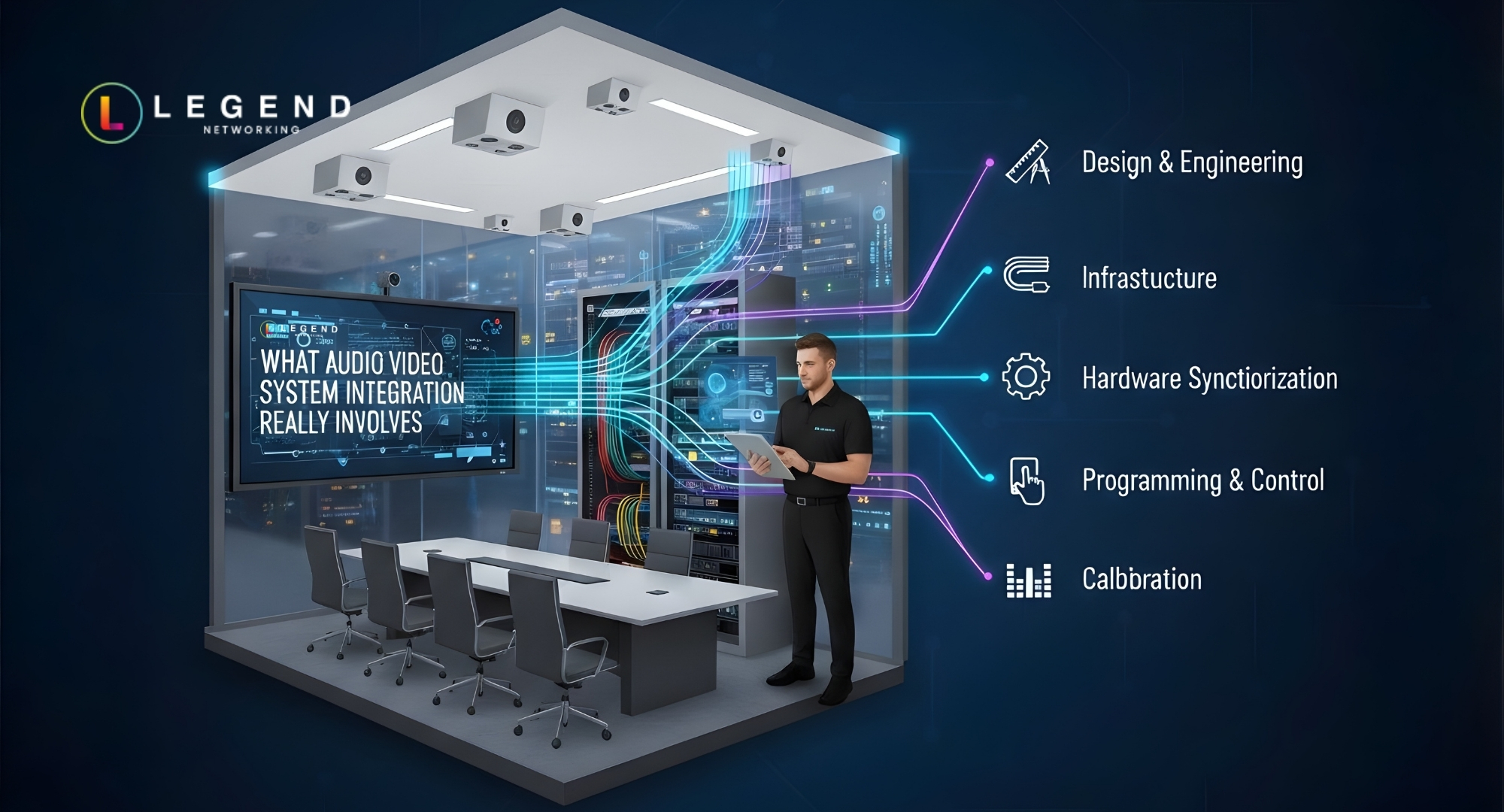
What Audio Video System Integration Really Involves
Audio video integration is not about installing screens and speakers in isolation. It is the act of creating and integrating displays, microphones, cameras, conferencing platforms and control systems as a single dependable environment.
Having an integrated AV version will also make sure that, once one enters a room, he can begin a meeting and concentrate on the discussion rather than the technology. Integration brings equipment, software and network infrastructure together so that it all works as one.
Without this planning, even high-end equipment often underperforms.

Why Texas Organizations Rely on Professional AV Solutions
Texas-based businesses operate across diverse environments. The types of environmental characteristics under which Texas-based businesses are run are varied, as they may be the business corporate offices, healthcare facilities, education and multi-location businesses. Such environments require predictability, stability and convenience.
The day-to-day functioning of professional AV solutions enhance the communication process and minimise the technical friction. When the AV systems are prepared right, the teams would work together more efficiently, the meetings would be done punctually, and remote participants would feel like they are part of the team.
Unless you are making luxury now, reliable AV is no longer a luxury. It is a fact that it is an operational requirement.
Conference Room Audio Video Solutions That Support Real Meetings
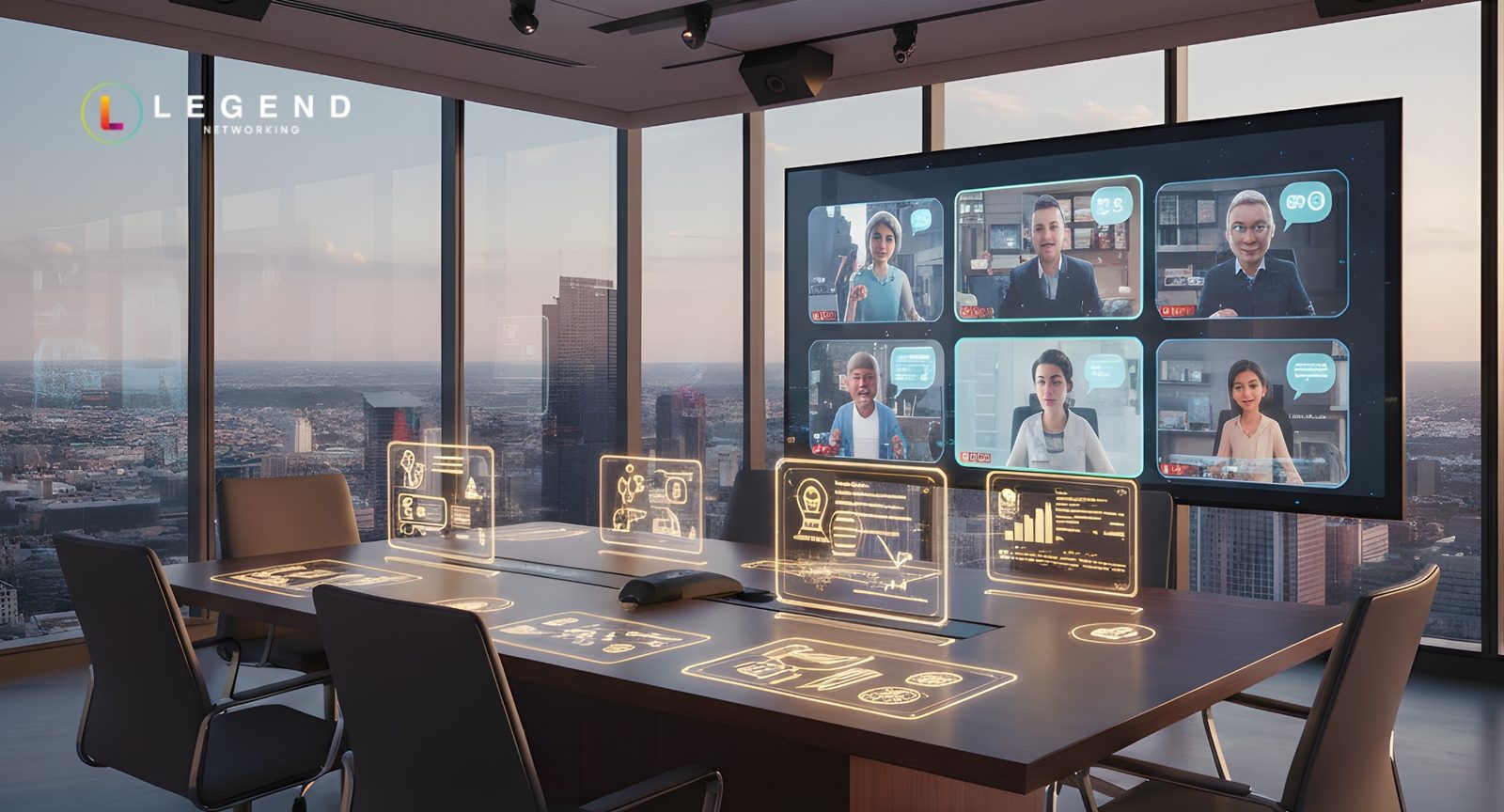
The aspect of audio video performance is most important in conference rooms. They are employed as the spaces where daily group meetings are held, clients are presented with, and leaders hold meetings and also collaborate in a hybrid manner. When the audio is interrupted, the video has stalled and the control has gone, the pace of the meeting is lost and productivity is impacted.
Effective conference room audio video solutions are designed around how people actually meet, not how systems look on paper. Sound coverage has to be articulate and consistent enough such that no one in the room has to repeat herself or himself. Microphones and speakers are to cooperate so that there could be no echo, distortion, or part-whole sound.
Cameras are also very crucial. They are also supposed to shoot participants in a natural state so that the remote viewers can feel like they are part of the participants and are not surrounded by angles and correct angles. The displays should be of the right size and must be strategically placed to ensure that they are easy to see regardless of where the participants sit to present their documents, presentations or video feeds.
No less significant, the control experience should be easy. They should enable employees to initiate a meeting, change volume, and share contents without training and other technical support. In cases where systems are intuitive, there will be timely meetings and focus.
A combination of audio, video, and controls when properly combined makes technology background. Meetings are calm, business-like, and effective. That is how cooperation is supposed to be.
Why Integration Matters More Than Individual Equipment
High-end displays, cameras and microphones are often a huge investment of many organizations that expect higher quality of the outcome after an equipment is upgraded. Equipment quality is usually significant, however, it is the integration that will define whether those tools will function or not in a real-life setting.
Even the high-quality AV equipment may cause issues without its appropriate integration. The common symptoms of systems that have been installed but not designed to be a complete solution are audio echo, dropped video connections, inconsistency in performance between rooms as well as complex set up processes. These problems result in frustration, time wasting and re-seeking of support.
Professional audio video integration ensures that every component audio, video, controls, conferencing platforms, and network connectivity, is configured to operate as a unified system. Checks are done on equipment used in the actual meeting room, settings are adjusted to maximize use to the room, and equipment is documented to continue to be supported.
Incorporation, in its right way will make technology unforeseeable and user-friendly. Meetings do not last long before they begin, handling of teams becomes natural and they do not need to spend time in troubleshooting but on communication. Through this, integration can make AV technology an unlikely source of distraction to an efficient tool that can be used to improve everyday functions.
Network and Security Considerations in AV Integration
The contemporary AV systems rely on the network infrastructure so much. Video conferencing, wireless presentation and centralized controls all are dependent on a reliable connection.
Bandwidth, segmentation and security are considered in terms of designing through professional integration. This defends AV behavior as well as the underlying IT environment. AV systems must increase work cooperation without causing security threats and network unsteadiness.
There is a significantly strong need to be security conscious about integrating AV devices as they grow to be more interdependent.

Texan Based Experience and AV Integration Scalability.
Local knowledge is significant when it comes to integrating a system using local expertise. Partners are able to help organizations in understanding the regional infrastructure, support service requirements at the location and growth trends.
Legend Networking has integrated technology offering to match AV systems into extended IT systems. We focus on reliability, scalability and long term support and not install once.
Our approach can also be learnt about using technology integration services offered by Legend Networking to the modern business environments.
Supporting Consistent AV Experiences Across Locations
Here we, endorses combined AV and IT to the major markets, such as:
- Austin technology and integration service.
- Dallas technology integration services.
- Solutions technology, San Antonio.
- Technological solutions at Charlotte.
- Raleigh technology solutions.
- The City of Philadelphia technology solutions.
The audio video solution means a high level of reliability and local responsiveness.
Industry Standards and Best Practices
- Professional AV integration is done in standard industry guidelines that provide interoperability of systems, reliability and constructing systems with long usage.
- The global audiovisual association, known as AVIXA, offers the most commonly accepted information on achieving design, installation, testing, and lifecycle management of an AV system.
- Such standards focus on pre-deployment planning, and these serve to aid in ensuring that systems behave relative to the real world environment.
- Effective testing standards do minimize premature failures and also detect performance problems prior to the commencement of systems.
- The best practices of lifecycle management facilitate continuous maintenance, documentation and subsequent upgrades even in the future without derailing.
- Following the industry standards assist organizations shun away of the short term, flash in, flash out deployments which need high frequency changeover.
- Standards-based integration is a way to make AV systems work efficiently, with compatibility and flexibility allowing them to boost their flexibility and adopt different collaboration technologies and workplace demands.
The Long-Term Value of Professional AV Integration
Professional AV integration is one that offers value even beyond the initial installation. Once systems are designed and configured the way they should be, organizations will see fewer disruptions and their overall performance improves, as well as, there will be less hustle and bustle in the day to day activity of any of the employees or guests.
Properly integrated AV systems save on time spent in downtimes because they decrease technical breakdowns and ease the process of troubleshooting. Support teams also take shorter durations to respond to the issues that keep coming up due to the predictability of the systems and the fact that they are documented appropriately. The confidence of the users also comes with this reliability so that the employees can concentrate not on how the technology will perform but instead on meetings and collaboration.
Professional integration is also flexible enough since organizations cannot remain the same. Updating new locations, implementing new working systems with updated collaboration or restructuring workspaces, integrated AV systems can be updated without having to completely rebuild it. Components may be modernized or increased without lack of consistency between rooms and sites.
Instead of changing systems, which often occurs, professional AV integration increases the lifetime and worth of organizations to a higher level. This steadiness helps in productivity, builds professional image, and serves to keep the AV technology working well to the business in the long run.
Conclusion
Effective communication depends on technology that operates regularly, not only during the installation date but also during the day to day activities. Audio Video System Integration Services play a critical role in helping organizations create meeting environments that are dependable, secure, and easy to use.
Audio, video, controls, and network infrastructure work together as one solution to create clear communication and smoother collaboration between the businesses as well as reduced disruption. Professional audio video integration ensures that AV solutions scale with organizational growth, support hybrid work, and deliver consistent experiences across locations.
For organizations evaluating new conference room audio video solutions or upgrading existing environments, integration should be the priority–not individual equipment. An integrated AV system is a long-term investment which gives productivity, professionalism and belief to all meetings.
If you are planning new spaces, modernizing existing rooms, or standardizing AV across your organization, now is the time to explore professional Audio Video System Integration Services that are built for reliability and long-term value.
Frequently Asked Questions
Q. What are audio video system integration services?
Ans. Audio video system integration services involve designing, installing, and configuring AV components so displays, cameras, microphones, and control systems work together reliably as one system.
Q. Why is professional audio video integration important for conference rooms?
Ans. The professional integration can be used to create a steady quality of audio performance, unproblematic video and convenient controls, so that meetings will be conducted smoothly without technological disruptions.
Q. How do conference room audio video solutions support hybrid work?
Ans. Integrated conference room solutions permit real time location independent communication by offering participants in a conference room and remote presenters to communicate effectively with ease in sharing content and collaborating with each other.
Q. Can audio video integration work with existing IT infrastructure?
Ans. Yes. Proper audio video integration is designed to align with existing network, security, and collaboration platforms while minimizing disruption to current systems.





 Based in USA

